



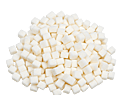



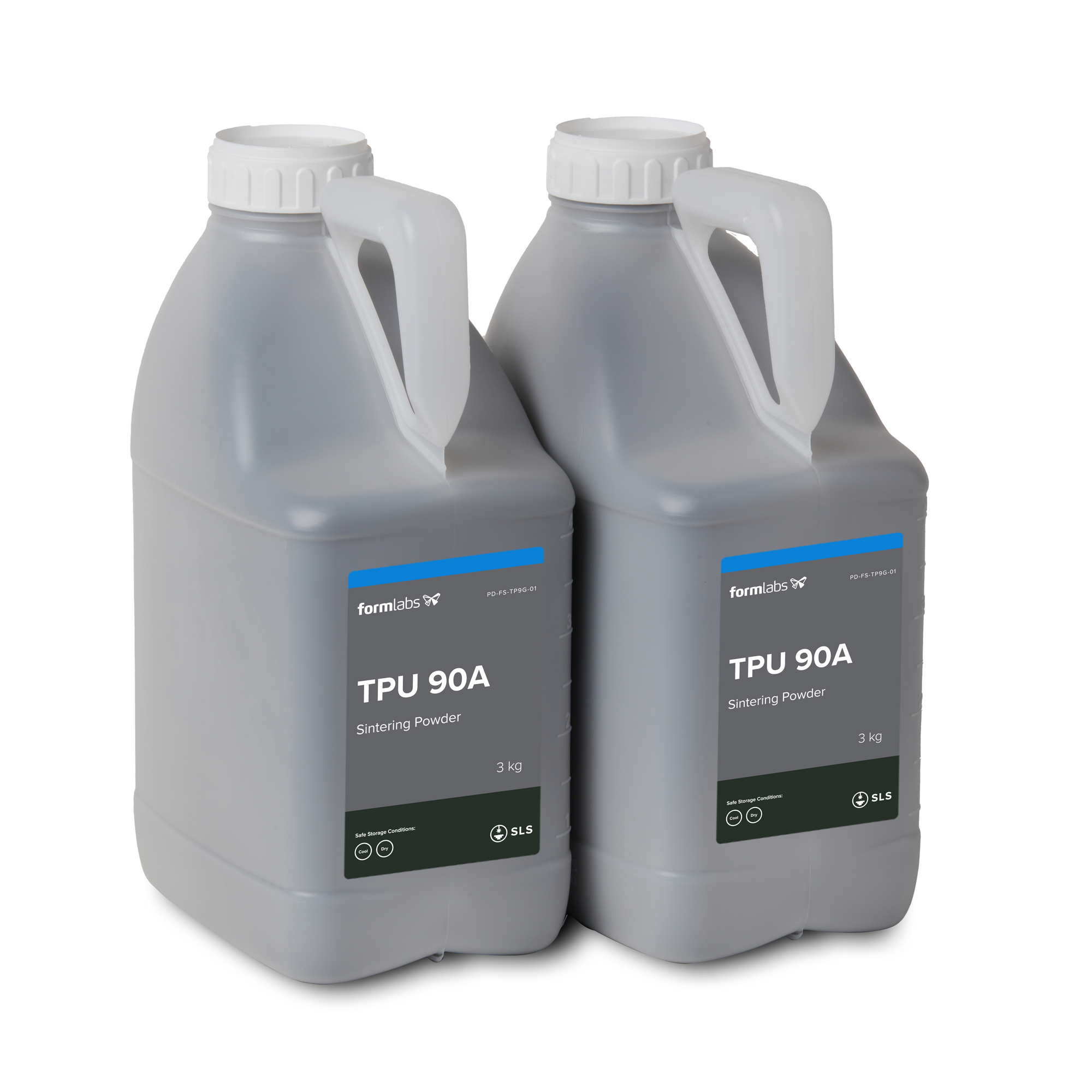
Formlabs TPU 90A Powder 6 kg
Formlabs TPU 90A Powder is a tough, flexible SLS elastomer designed for durable, resilient prototypes and end-use parts. With 90A Shore hardness, up to 310% elongation at break, high tear strength, and a 20% refresh rate, it is ideal for wearables, gaskets, seals, cushioning, lattices, orthotics, and other flexible functional components.
Volume Pricing Available
Formlabs TPU 90A Powder
Tough, Flexible SLS Elastomer for Functional Parts
Formlabs TPU 90A Powder is a tough thermoplastic polyurethane elastomer developed for producing flexible, resilient, and durable parts using SLS 3D printing. With a 90A Shore hardness, excellent tear resistance, and up to 310% elongation at break, TPU 90A combines rubber-like flexibility with the geometric freedom of powder-bed printing.
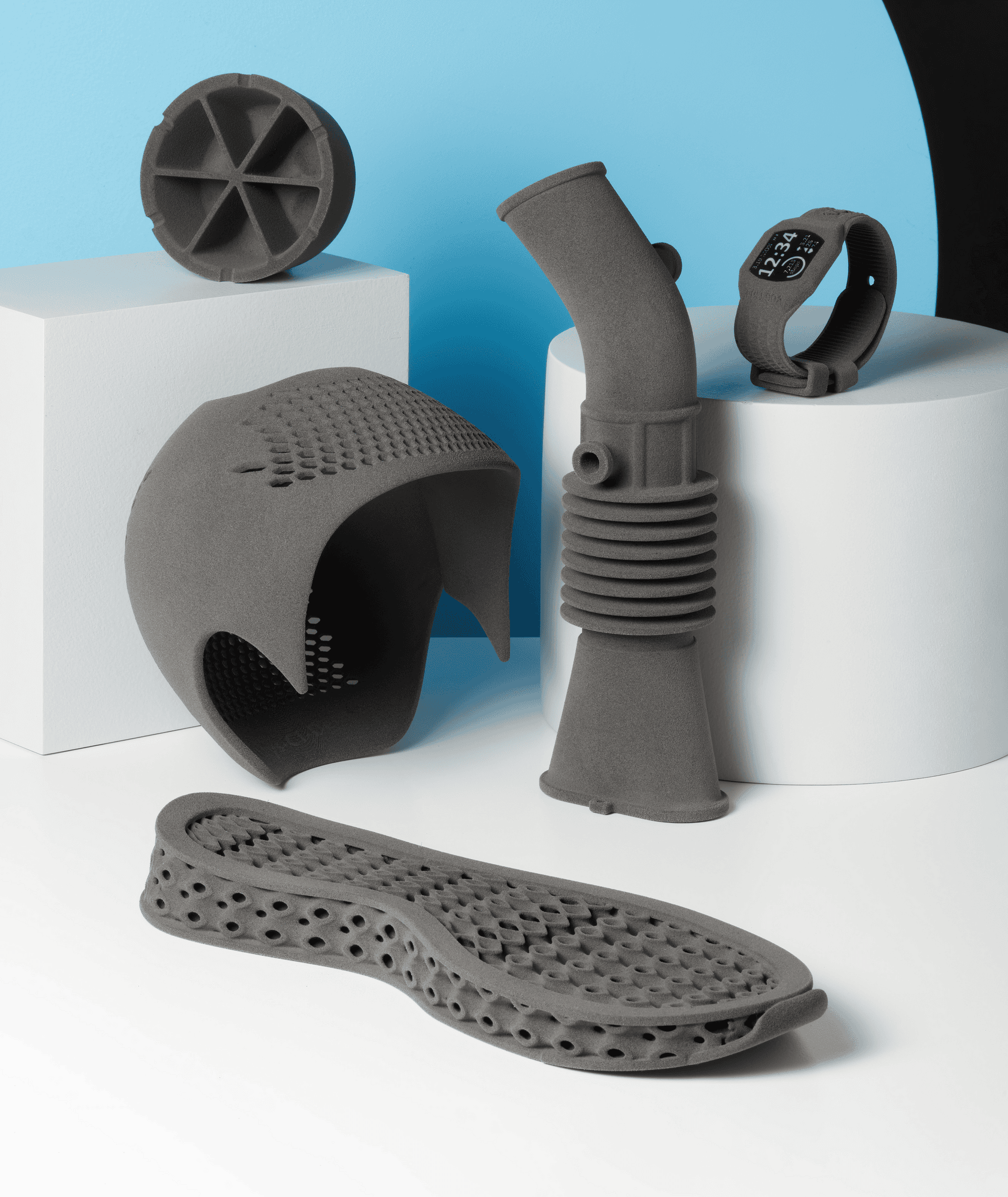
Designed for the Fuse Series, TPU 90A is ideal for functional prototypes, low-volume production, wearables, seals, gaskets, cushioning components, orthotics, prosthetics, protective equipment, and other flexible end-use parts.
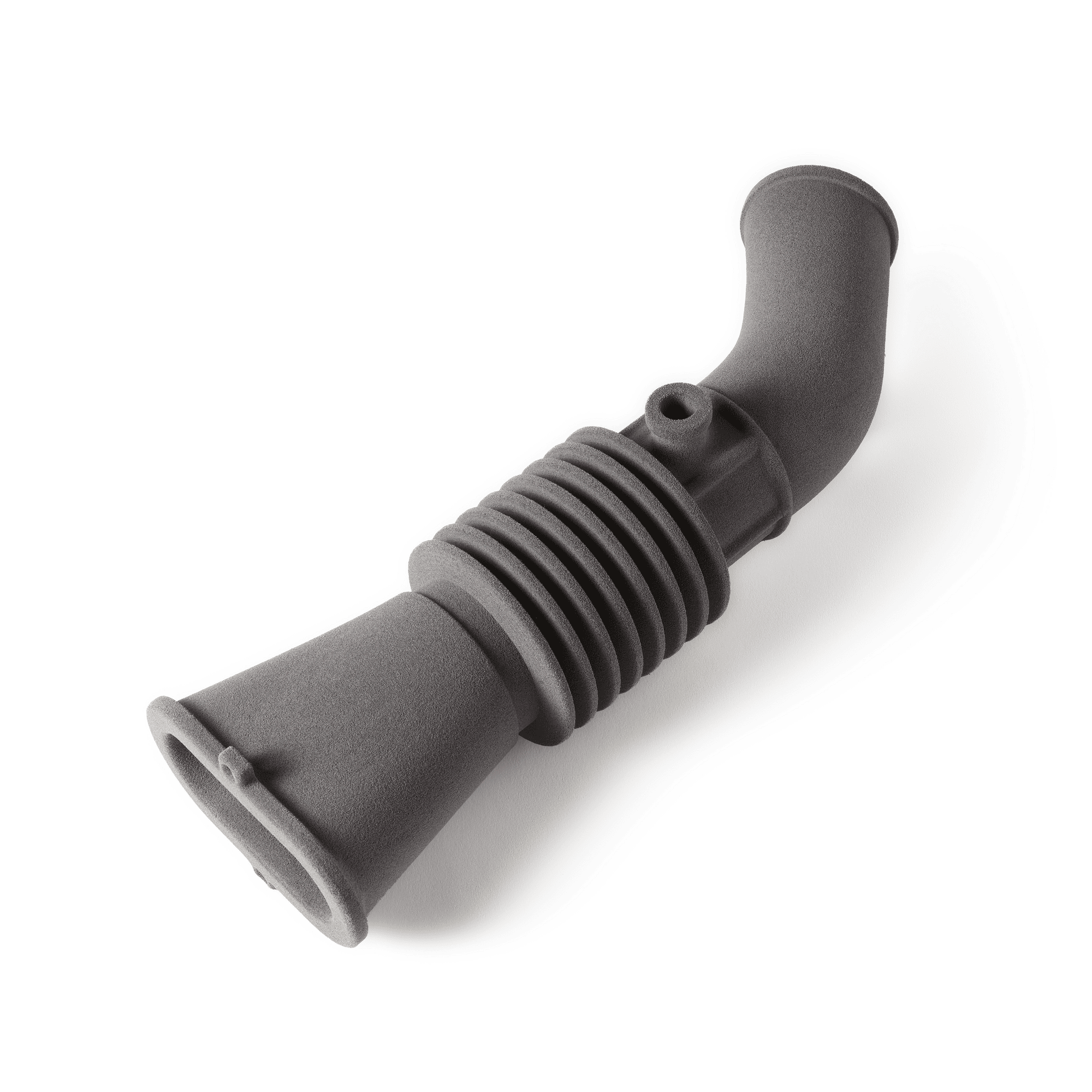
Because SLS printing does not require traditional support structures, TPU 90A can produce complex flexible geometries, internal channels, lattices, and interlocking features that can be difficult or impossible to manufacture with support-dependent flexible printing technologies.
Key Benefits
Up to 310% elongation at break in the X/Y direction
90A Shore hardness for a firm, resilient rubber-like feel
High tear resistance for durable flexible components
Excellent flexibility and recovery for parts subjected to repeated movement
No traditional support structures required with SLS printing
Excellent for lattice structures and complex flexible geometries
Skin-contact suitable for appropriate applications
20% refresh rate, allowing up to 80% recycled powder
Designed for functional prototypes and end-use production parts
Compatible with both Fuse 1 and Fuse 1+ 30W
Recommended Applications
Wearables & Soft-Touch Components
Create durable straps, protective components, wearable accessories, and other parts designed for repeated contact and movement.
Gaskets & Seals
Produce flexible sealing components capable of maintaining contact under repeated compression and movement.
Belts, Tubing & Flexible Components
TPU 90A's combination of flexibility and tear resistance makes it suitable for belts, tubes, plugs, masks, and other flexible components.
Lattices & Cushioning
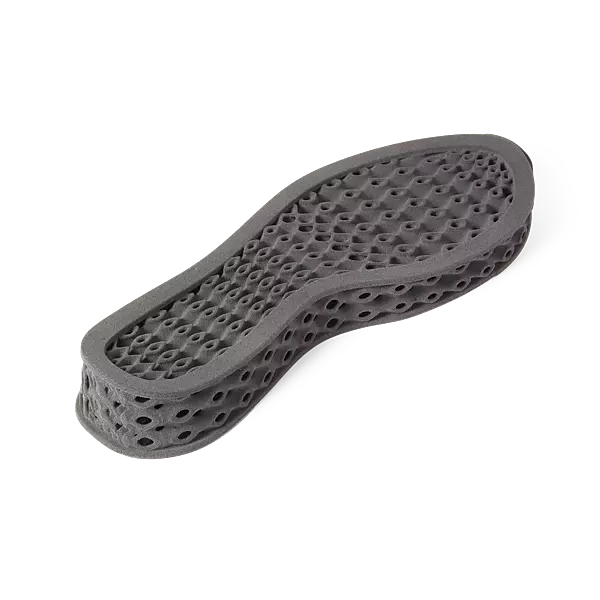
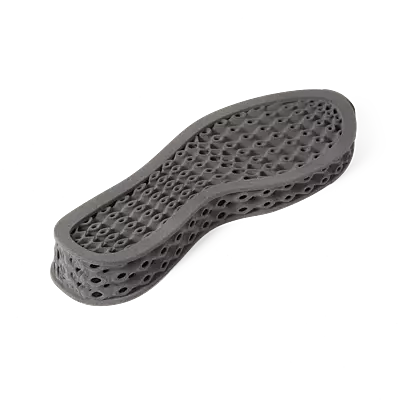
Take advantage of SLS's support-free printing capabilities to create complex cushioning lattices, dampers, pads, and energy-absorbing structures.
Orthotics & Prosthetics
Produce patient-specific flexible components such as orthotic supports, prosthetic components, insoles, and other medical devices where appropriate. Formlabs identifies TPU 90A as suitable for skin-contact applications.
Functional Prototypes
Test flexible products using production-like material properties instead of relying on rigid prototype materials.
Low-Volume Production
Manufacture customized flexible parts and end-use components without traditional tooling.
Protective Equipment
Produce flexible protective components designed to absorb impacts and withstand repeated use.
Material Specifications
| Property | TPU 90A Powder |
|---|---|
| Technology | SLS |
| Material Type | Thermoplastic Polyurethane Elastomer |
| Color | Grey |
| Shore Hardness | 90A |
| Ultimate Tensile Strength — X/Y | 8.7 MPa |
| Ultimate Tensile Strength — Z | 7.2 MPa |
| Elongation at Break — X/Y | 310% |
| Elongation at Break — Z | 110% |
| Tear Resistance — X/Y | 66 kN/m |
| Tear Resistance — Z | 39 kN/m |
| Stress @ 100% Elongation — X/Y | 7.2 MPa |
| Stress @ 100% Elongation — Z | 7.0 MPa |
| Compression Set @ 23°C | 20.5% |
| Compression Set @ 70°C | 59.9% |
| Vicat Softening Temperature | 94.3°C |
Formlabs' published data shows 310% elongation at break in X/Y and 110% in Z, along with 66 kN/m X/Y tear resistance.
Flexible Without Sacrificing Design Freedom
One of the biggest advantages of TPU 90A is the combination of elastomeric behavior and SLS manufacturing.
Traditional flexible 3D printing processes often require removable supports for overhangs and complex geometry. With SLS, the surrounding powder naturally supports the part during printing.
This makes it possible to manufacture:
Flexible lattices
Internal channels
Bellows
Interlocking components
Complex cushioning structures
Thin flexible walls
Custom orthotic geometries
without the need to design and remove traditional support structures.
90A Shore Hardness
TPU 90A is a firm elastomer rather than an extremely soft rubber.
Its 90A Shore hardness provides a useful balance between flexibility, durability, and structural support. This makes it particularly well suited to components such as shoe soles, orthotics, protective components, seals, straps, and flexible mechanical parts.
For even softer behavior, designers can use lattice structures to reduce effective stiffness and create customized cushioning characteristics.
Powder Efficiency
20% Refresh Rate
TPU 90A Powder uses a recommended 20% refresh rate, allowing up to 80% recycled powder to be incorporated into subsequent builds.
This low refresh rate helps minimize material waste and reduces the effective material cost per part, making TPU 90A suitable not only for prototyping but also for low- and medium-volume production.
Printing Environment
TPU 90A Powder is designed to print in an ambient air atmosphere. Formlabs specifically recommends a 20% refresh rate and does not recommend using an inert gas atmosphere for TPU 90A, as it provides no known benefit for this material.
Printer Compatibility
TPU 90A Powder is compatible with:
Formlabs Fuse 1
Formlabs Fuse 1+ 30W
Formlabs lists TPU 90A as compatible with both generations of Fuse printers.
Fuse Sift Compatibility
TPU 90A Powder requires Fuse Sift 1.1 or later. Older Fuse Sift units may not be compatible with the material.
Post-Processing
After printing, TPU 90A parts are depowdered using the Fuse Sift. Because TPU powder can behave differently from standard Nylon powders, Formlabs recommends sifting the material while the powder cake is still warm, around 35–40°C, for easier depowdering.
TPU 90A generally requires longer sifting than other SLS powders and uses the 150 μm Fuse Sift mesh.
Design Considerations
TPU 90A is highly flexible, but part geometry plays an important role in the final stiffness and performance of a printed component.
For example, designers can use lattice structures instead of solid sections to achieve a softer, more compliant part without changing the material itself.
Very thick cross sections may experience reduced fine-feature resolution because of thermal buildup. Formlabs recommends carefully evaluating small holes, pins, embossed or engraved details, and other fine features when designing thick TPU 90A components.
Why Choose TPU 90A Powder?
Choose Formlabs TPU 90A Powder when you need a flexible, durable material combined with the geometric freedom of SLS.
Its 90A Shore hardness, 310% X/Y elongation, high tear resistance, and support-free printing make it particularly valuable for flexible products that need to withstand repeated stretching, compression, bending, and everyday use.
From wearables and cushioning lattices to gaskets, seals, orthotics, protective components, and custom end-use parts, TPU 90A provides a production-ready way to manufacture flexible components directly from digital designs.